Imaging service
The quiet rebuild, one device at a time.
How Helixmed replaced fourteen years of paper service records — and the operational habits that came with them — without slowing down a single hospital.
Helixmed
Berlin, Germany
Helixmed
Berlin, Germany
Since 2011
Founded
2011
Sector
Imaging service
Team
34
devices
1412
hospitals
17
on mediora since
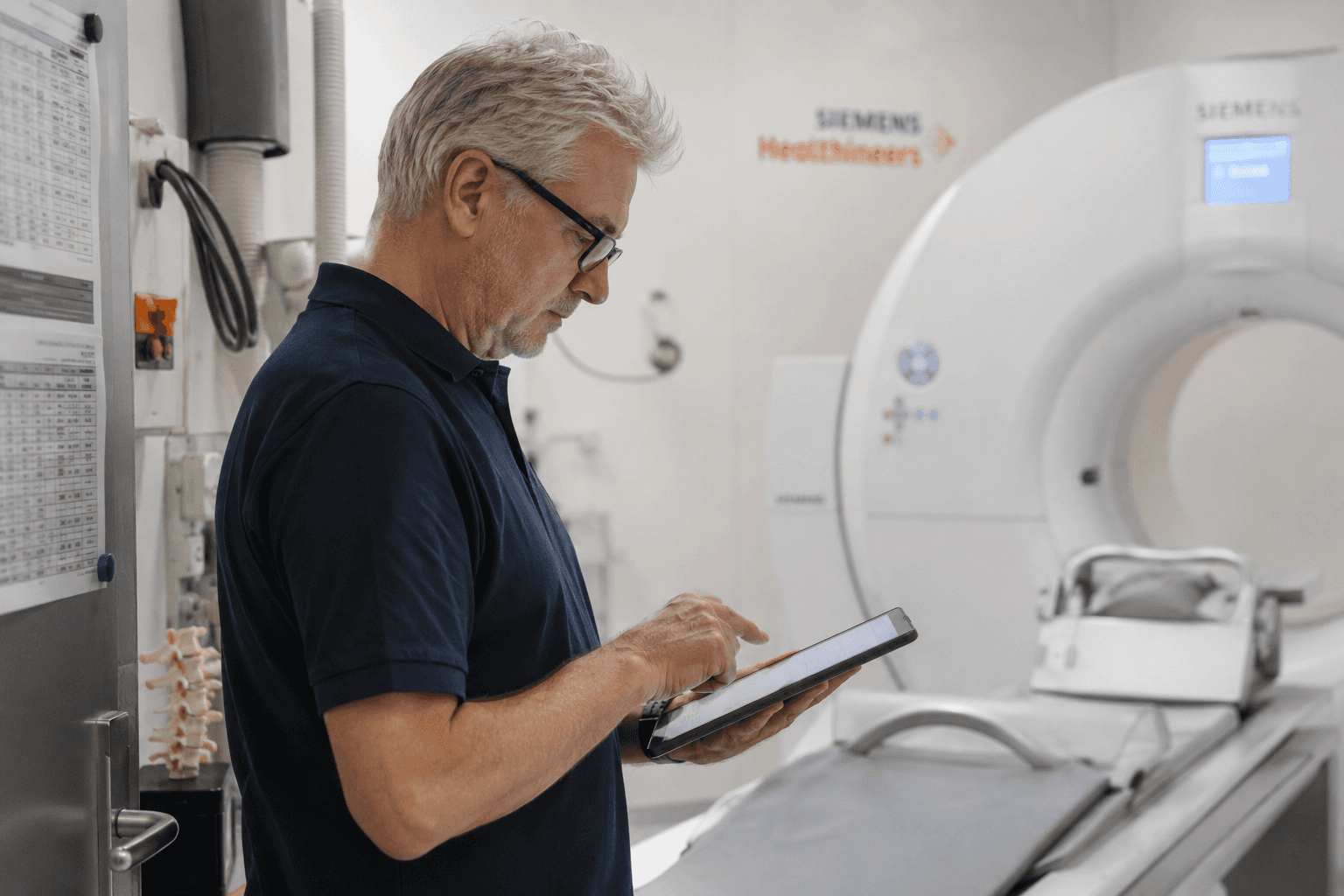
Helixmed has been servicing MRI and CT scanners across the Czech Republic since 2011. Its 22 technicians cover fourteen hospitals — from St. Mark's Imaging in central Prague to two-room satellite centres in Pardubice and Hradec Králové. Every machine they look after has a record. Until eighteen months ago, those records lived in paper folders. Roughly fourteen thousand of them.
"It was a system," Ana Hofmann says, the company's Service Operations Director. "It just wasn't a good system."
What Helixmed has done in the eighteen months since — replacing those folders with a single, searchable record per machine, used by every department, on every device — is the kind of operational rewrite that sounds dull on paper. In practice, it is what saved them two days a month, every month, per technician.
The problem they couldn't outwork
The trouble with paper service records is that they reward the wrong skill. Helixmed's senior technicians were extraordinary at remembering things — they had to be. They knew which centrifuge had a known coil issue. They knew which contract was up in October. They knew which hospital preferred Tuesdays for service windows.
The problem wasn't that the team couldn't function. It's that it couldn't function without them. When a senior technician went on holiday, the operation slowed by a measurable margin. When one left, three months of context left with him.
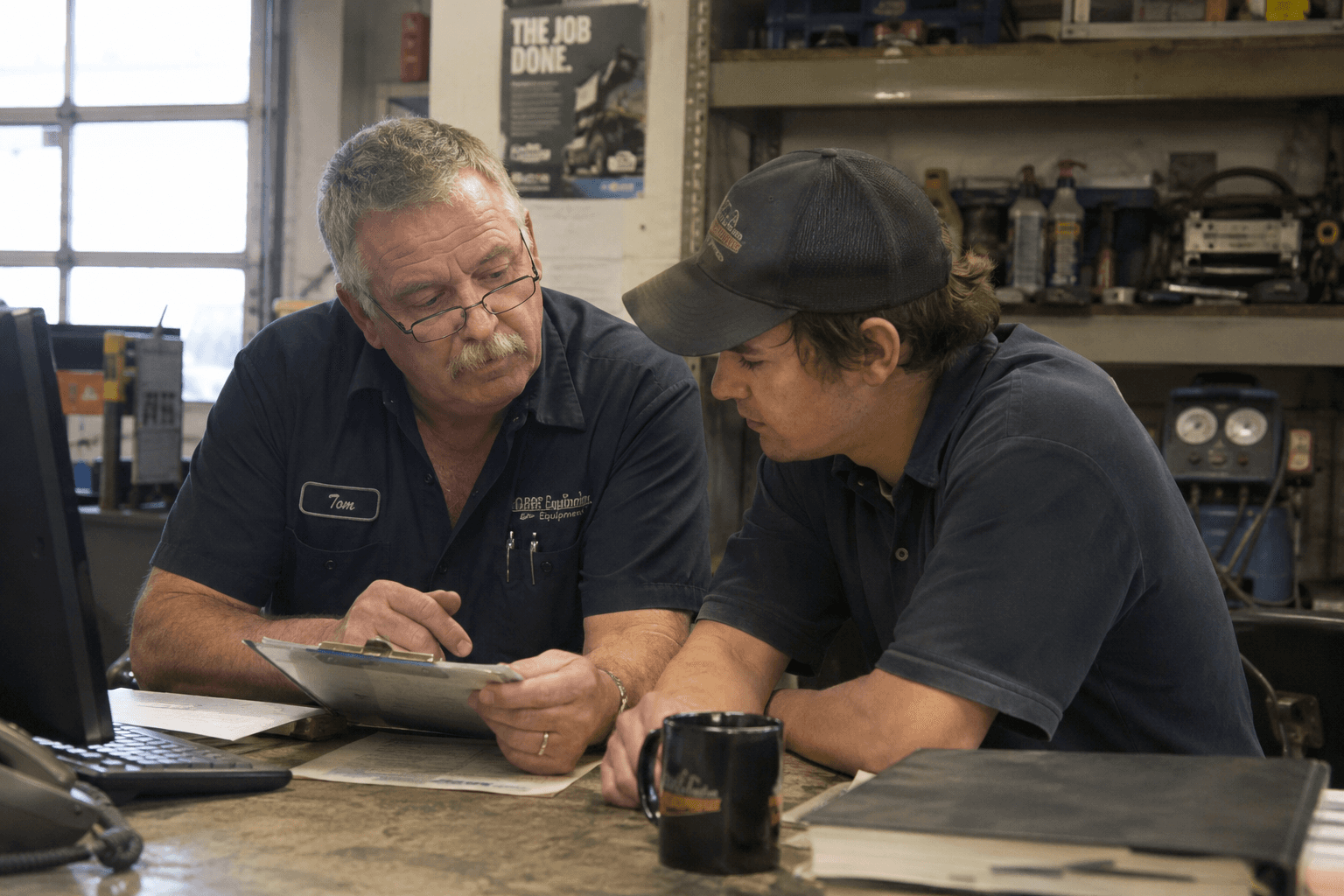
"We had a quarterly compliance audit in February 2024," Ana says. "It took us two and a half days to compile the report. Most of that time was four people sitting in a room reading paper forms back to each other."
The deciding meeting
Helixmed's leadership had looked at three or four equipment management platforms over the years. Each time, they ended up shelving the project. The platforms either tried to do too much — CMMS-plus-ERP-plus-CRM rebuilds that demanded six months and a side budget — or too little, digital filing cabinets that just shifted the paperwork sideways.
What changed in summer 2024, Ana says, was that they stopped looking for software and started looking for habits.
They listed the seven daily moments where paper was hurting them.
They asked, of each candidate platform: which tool actually changes those seven moments?
They cut every platform that needed three weeks of customisation before answering that question.
Mediora made the shortlist for one specific reason: the device record. "It was the only system where the device, the contract, the customer, and the service history all lived in the same place. Everything else made you tab between five different views. We didn't want a better filing cabinet — we wanted the cabinet to disappear."
The first thirty days
The rollout was structured but unglamorous. Helixmed worked with Mediora's onboarding team for two weeks — data migration from their three legacy spreadsheet systems, role setup across departments, mobile app distribution to the technicians, and a series of role-specific training sessions in a meeting room above the Prague office.
By day fifteen, every device record was in the system. By day twenty-two, the technicians stopped carrying paper folders. By day thirty, the office printer was idle for the first time anyone could remember.
"The mobile app was the moment," Ana says. "If our technicians had refused to use it, the project was dead. But they didn't. They preferred it. The basement-next-to-the-autoclave test passed."
What's measurably different
Eighteen months in, Helixmed agreed to share the operational metrics that have moved most. None of these are flattering software-vendor figures; they're operational numbers Ana's team would publish whether or not Mediora was reading along.
The numbers are useful, but Ana is more careful about them than most of the customer-success literature would suggest. "It's tempting to say Mediora gave us 1.9 days back. It didn't. Mediora gave us a place where the information lives. The 1.9 days are what happens when you stop looking for it."
What surprised them
Three things, Ana says.
First — the dashboard
"I don't trust most dashboards. They show you what looks good. The Mediora dashboards show you what's actually happening." Audit prep, which used to take 2.5 days, now takes about an hour. The board meeting that used to begin with twenty minutes of operational catch-up now begins with the dashboard already on the screen.
Second — the customer relationship
Helixmed's hospital customers can now request a service window from a portal. The reps who used to schedule visits don't anymore. They sell.
Third — the technicians
"I expected complaints. Technicians are technicians; they hate change. Six weeks in, the most senior tech on our team came up to me and said: I should have asked for this five years ago. I almost cried. He's worked here since 2014."
What's next
Helixmed is currently piloting Mediora's capacity planning module for 2026 — using historical service data to predict equipment failure before it happens, and to plan technician routing across the fourteen hospitals more deliberately.
"We're not there yet," Ana says, "but the data we'd need is finally in one place. For the first time, we have something to predict from." She pauses. "Eighteen months ago, we couldn't have answered that question. We couldn't even have asked it."
It is, in the end, the quietest kind of progress. No headline event, no internal "transformation programme", no consulting deck. Just a service team that stopped printing forms, and started doing the work the forms had been hiding.
from the interview
Q.
What was the hardest part of switching?
A.
Trusting that the data was complete. For the first three weeks I kept printing things out, just to check. Then one day I realised I hadn't printed anything in a month. That was the moment we'd actually changed.
Q.
And the easiest part?
A.
Honestly, the technicians. I'd rehearsed a whole change-management speech. Nobody needed it. They saw the mobile app, used it for half a day, and never asked for paper back.
Q.
What did you not expect?
A.
That the sales team would be the second-biggest beneficiary. Our reps used to spend a third of their day on the phone scheduling visits with hospitals. They don't anymore. They spend that time on actual sales conversations.
about the company
Helixmed
Independent service partner for medical imaging equipment, Central Europe
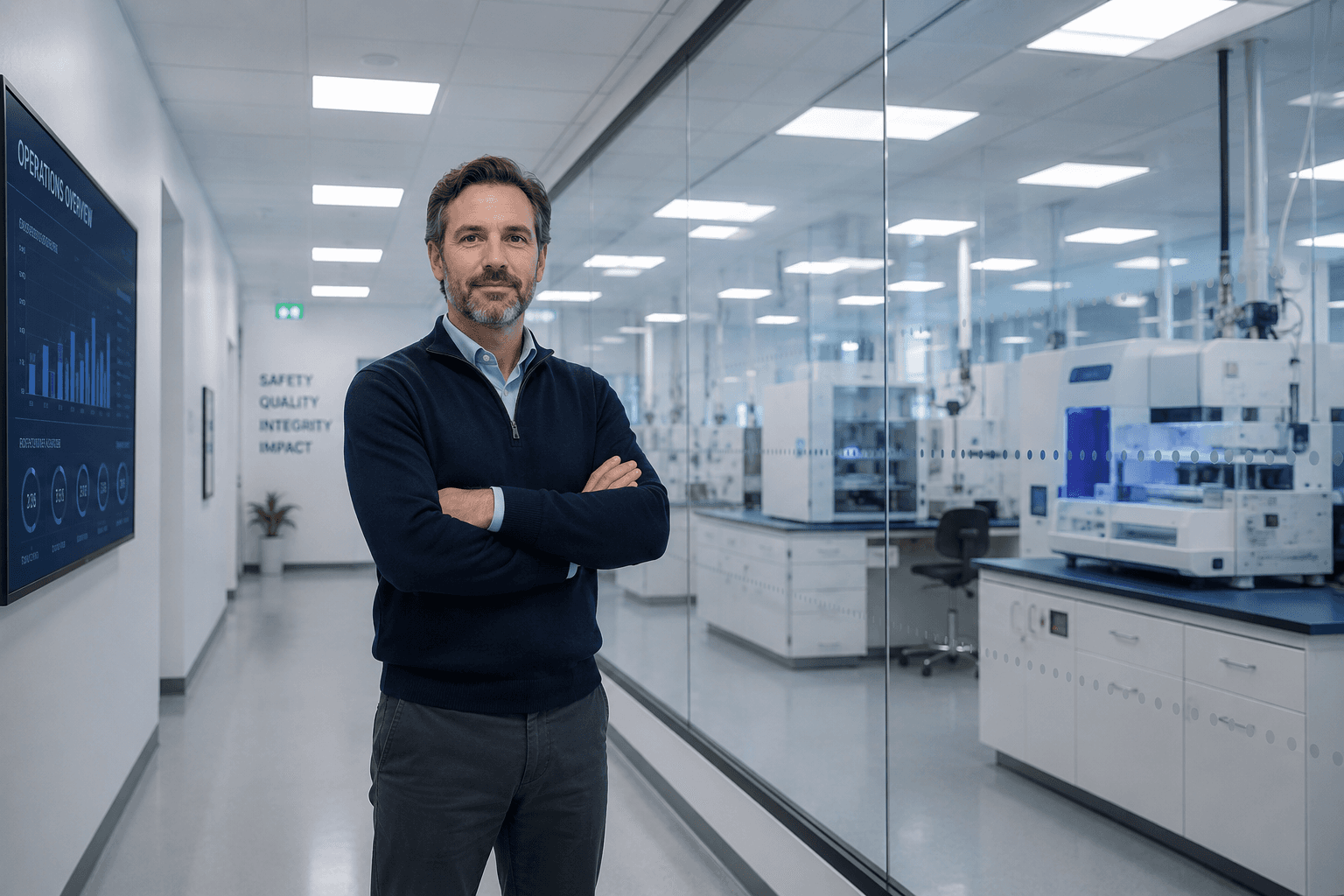
Founded in 2011 by three former Siemens service engineers, Helixmed has grown into the largest independent service provider for MRI and CT systems in Germany. The company services fourteen hospitals across the country — and three more in Italy and Netherland as of 2025.
More customer stories
From the same beat — operations, equipment, and the slow business of doing the work without losing the thread.